Guide: getting care
Low testosterone symptoms and ED: when to see a clinician
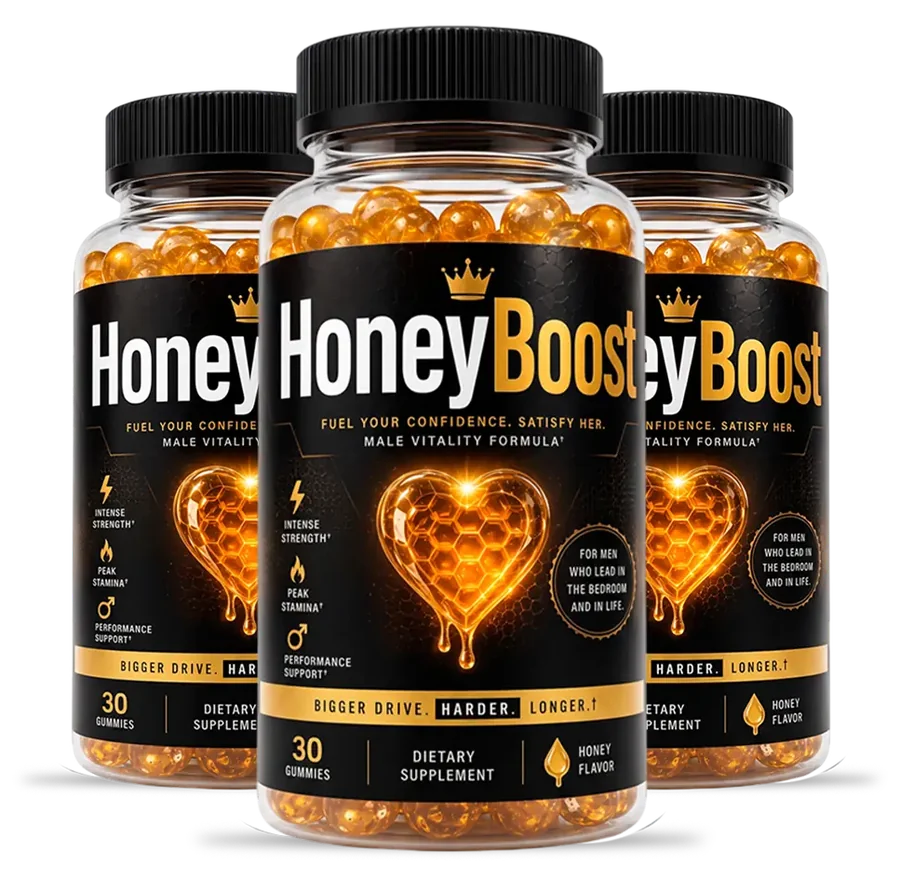
See a clinician for erectile dysfunction or for symptoms you think are low testosterone, because both have causes that need checking. Guidelines diagnose low testosterone only with symptoms plus repeated morning blood tests, and erection problems can come 3 to 5 years before heart disease. HoneyBoost is a dietary supplement gummy, not a treatment for either.
Written by the HoneyBoost label deskUpdated
Erection problems
When should you see a doctor for erectile dysfunction?
See a doctor when erection problems happen more than once or twice, last for weeks, or come with other symptoms. They are common, they are not a normal part of aging, and they have causes a clinician can look for.
The NIDDK says erectile dysfunction is not a routine part of growing older. Its causes include heart and blood-vessel disease, diabetes and some medicines, and clinicians look for those causes first (NIDDK, ED overview). Mayo Clinic adds that erection problems can signal a health condition and are a risk factor for heart disease (Mayo Clinic, ED).
The link to the heart is the main reason to go. A review of studies found that erection problems come before cardiovascular disease by about 3 to 5 years, because the two share blood-vessel causes (Diaconu 2020, ED and heart). A visit is a chance to check blood pressure and the heart early.
Chest pain, fainting or trouble breathing: call 911. An erection that is painful or lasts 4 hours or more is an emergency: go to the emergency room (Urology Care, priapism).
Low testosterone
What are the symptoms of low testosterone, and how is it tested?
Low testosterone is diagnosed from symptoms plus repeated morning blood tests, not from symptoms alone and not from a supplement.
The Endocrine Society guideline says to diagnose low testosterone only when a man has symptoms and consistently low morning blood levels, confirmed on repeat tests (Endocrine Society testosterone). The American Urological Association guideline also pairs symptoms with blood tests (AUA testosterone guideline).
We did not read a symptom checklist from a source we can cite, so we do not print one here. A clinician sorts out the possible causes. Tell them what you notice and when it began.
| Step | Why it matters |
|---|---|
| Your history and medicine list | Some medicines affect erections. Tell the clinician about every supplement, too. |
| Blood pressure and heart check | Erection problems can be an early sign of blood-vessel disease (Cleveland Clinic, ED). |
| Morning blood test for testosterone | The guidelines call for symptoms plus repeated low morning results. |
| Blood sugar and other labs | Diabetes is a listed cause of erection problems. |
| Treatment choices | Options run from lifestyle changes to medicines, devices and surgery (NIDDK, ED treatment). |
Supplements
Are testosterone boosters worth it?
The evidence we found says no product has been shown to be worth relying on. Researchers who looked at whole products found none with published trial results.
A review of 32 top testosterone and erection supplements found that no whole supplement product had published randomized-trial evidence. Of the ingredients, 19% had strong positive evidence, while 68% had contradicting, negative or lacking evidence (Kuchakulla 2021, ingredient review). Another review of 52 studies on 27 proposed boosters found that most fail to raise total testosterone (Morgado 2024, T booster review).
A study of 50 top-selling "T booster" products found that 90% claimed to boost testosterone, but only 24.8% had published data showing an increase, and 61.5% had no data at all (Clemesha 2020, T boosters).
The FDA adds that testosterone medicines are approved only for low testosterone from medical conditions, and they carry heart attack and stroke risk labels (FDA testosterone safety). That is one more reason to have the diagnosis made first.
See also hidden drug ingredients.
About this gummy
Can HoneyBoost replace seeing a clinician?
No. HoneyBoost is a dietary supplement gummy, 30 to a bottle, and it is not a treatment for erectile dysfunction, low testosterone or any disease.
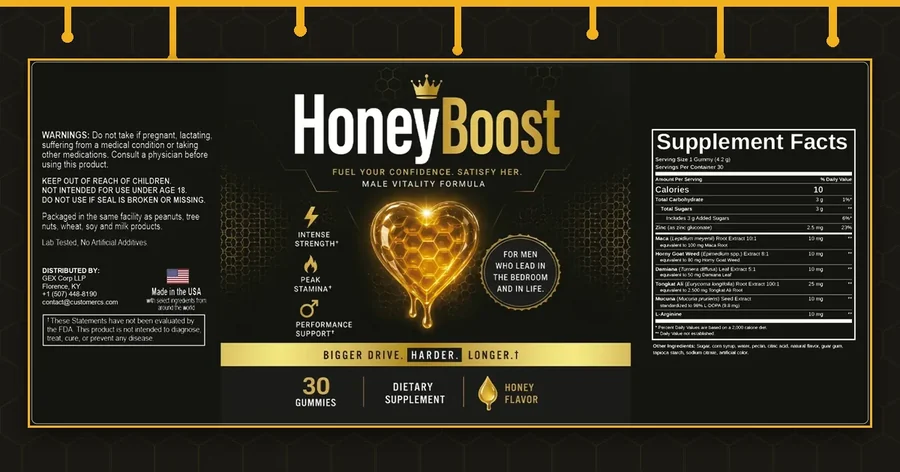
The wrap prints taglines such as “PEAK STAMINA†” and “PERFORMANCE SUPPORT†”. The dagger leads to the FDA statement printed on the label: these statements have not been evaluated by the FDA, and the product is not intended to diagnose, treat, cure or prevent any disease (FDA structure/function claims).
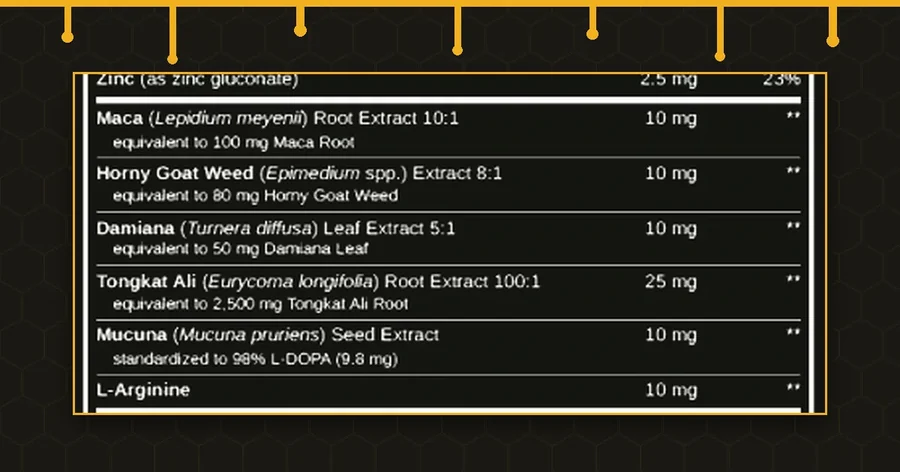
Each gummy holds six extract and amino-acid rows totaling 75 mg (10 + 10 + 10 + 25 + 10 + 10), plus 2.5 mg of zinc. No trial tested HoneyBoost, and we found no source showing that it changes testosterone or erections. The label also says not to take it if pregnant, lactating, with a medical condition or on other medications, and to consult a physician first. It is not for anyone under 18.
If you take nitrates, blood pressure medicine or any prescription, ask your doctor or pharmacist before trying any supplement. Keep taking prescribed medicine. More is on the medicine interactions page.
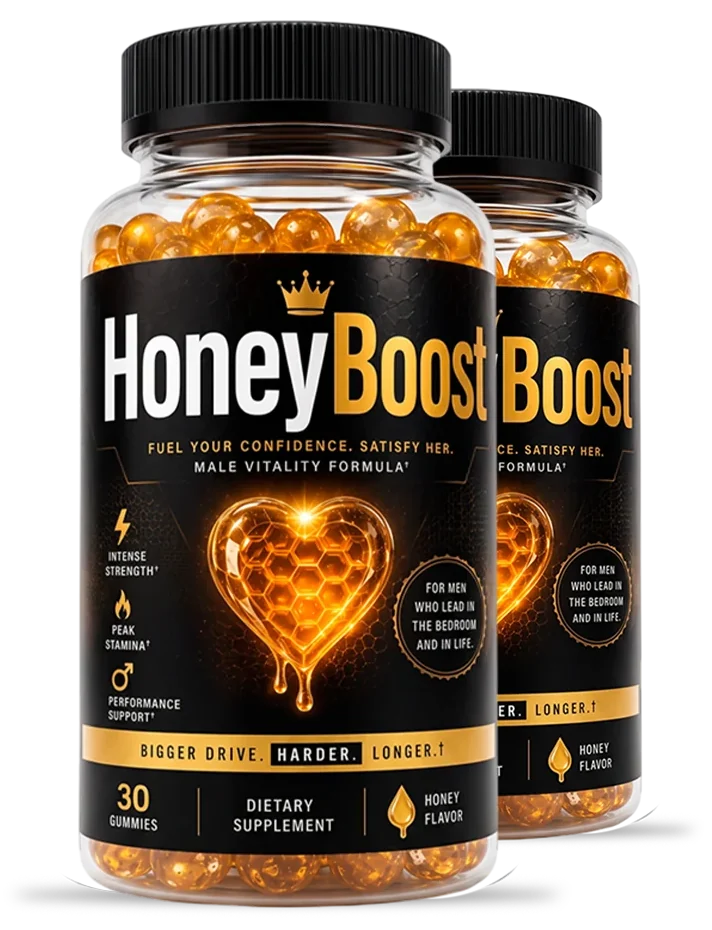
HoneyBoost gummies: 30 to a bottleOne gummy a day · 2, 3 or 6 bottles · from $49 a bottle · shipping shown at checkout
See the priceUrgent signs
When is a symptom an emergency?
Call 911 for chest pain, fainting or trouble breathing, and go to the emergency room for an erection lasting 4 hours or more.
- An erection lasting 4 hours or more, or a painful oneGo to the emergency room now. This is called priapism and needs urgent treatment.
- Chest pain, fainting, a racing heart, trouble breathingStop the gummies. Chest pain, fainting or trouble breathing: call 911 now.
- Dark urine, yellow skin or eyes, belly pain, nauseaCan be signs of liver trouble, which LiverTox lists as a rare possibility with tongkat ali. Stop and get medical care the same day.
- Dizziness, light-headedness or a sharp drop in blood pressureStop and ask a clinician; arginine can lower blood pressure and some medicines add to the effect.
- Rash, hives or swellingPossible allergy. Stop and get medical help; swelling of the face or throat or trouble breathing is an emergency.
Signs from (Urology Care, priapism) (LiverTox, tongkat ali) (Mayo Clinic, L-arginine) (FDA report a problem). This list is not complete. A supplement is never a reason to wait.
Self-check
Should you check with a clinician before taking HoneyBoost?
Yes, if any answer below is yes. The label itself says to consult a physician before using the product.
FAQ
When to see a clinician FAQ
How do I know if I have low testosterone?
A clinician diagnoses it from symptoms plus repeated morning blood tests that are consistently low. Symptoms alone are not enough, and a supplement cannot tell you. Ask for the blood test and bring a list of your medicines.
What is the testosterone test?
It is a blood test, drawn in the morning, and the guidelines call for low results to be confirmed on a repeat. A clinician reads it together with your symptoms and history, so a single number is not a diagnosis.
Can erectile dysfunction be a sign of heart disease?
Yes, it can be. Erection problems share blood-vessel causes with heart disease and have been seen 3 to 5 years before it. That is why a clinician checks blood pressure and the heart, even if the only complaint is the erection.
Do testosterone booster supplements work?
A review of 27 proposed boosters found that most fail to raise total testosterone, and no whole product had published trial results in another review. We found no trial showing HoneyBoost does, and none tested it.
Is erectile dysfunction a normal part of aging?
No. The NIDDK says it is not a routine part of getting older. It is common, but it has causes, such as heart disease, diabetes or medicines, that a clinician can look for and treat.
When is an erection a medical emergency?
An erection that is painful, or that lasts 4 hours or more, needs the emergency room right away. Do not wait for it to pass. Chest pain, fainting or trouble breathing needs 911.
Who wrote this
Written and reviewed by
Pages built from the label, the seller's brief and linked NIH, FDA, CDC, FTC and peer-reviewed sources.
Last updated . Read our editorial standards and how we check reviews. This website is the information site of a U.S. stocking partner for HoneyBoost. It is not the manufacturer, and the label names GEX Corp LLP (Florence, Kentucky) as the distributor. We earn money when you buy through our order links.
Keep reading
More about HoneyBoost

U.S. stocking partner for HoneyBoost
Ready to look at HoneyBoost?
Check your medicines first, and ask a clinician if you are unsure. Then pick a pack: 2, 3 or 6 bottles of 30 gummies. Packs run $79, $69 and $49 a bottle with a 60-day money-back guarantee; confirm the total and shipping at checkout.
- Secure checkout on the seller's site
- 60-day money-back guarantee, per the seller
- Shipping shown at checkout